
Your first visit
Are you not yet a patient with us? Read how to register and how the first appointment goes. In your application, you can already explain your questions and wishes.
Information for new patientsA fixed brace helps improve your dental alignment and bite. Read here everything about the treatment process.
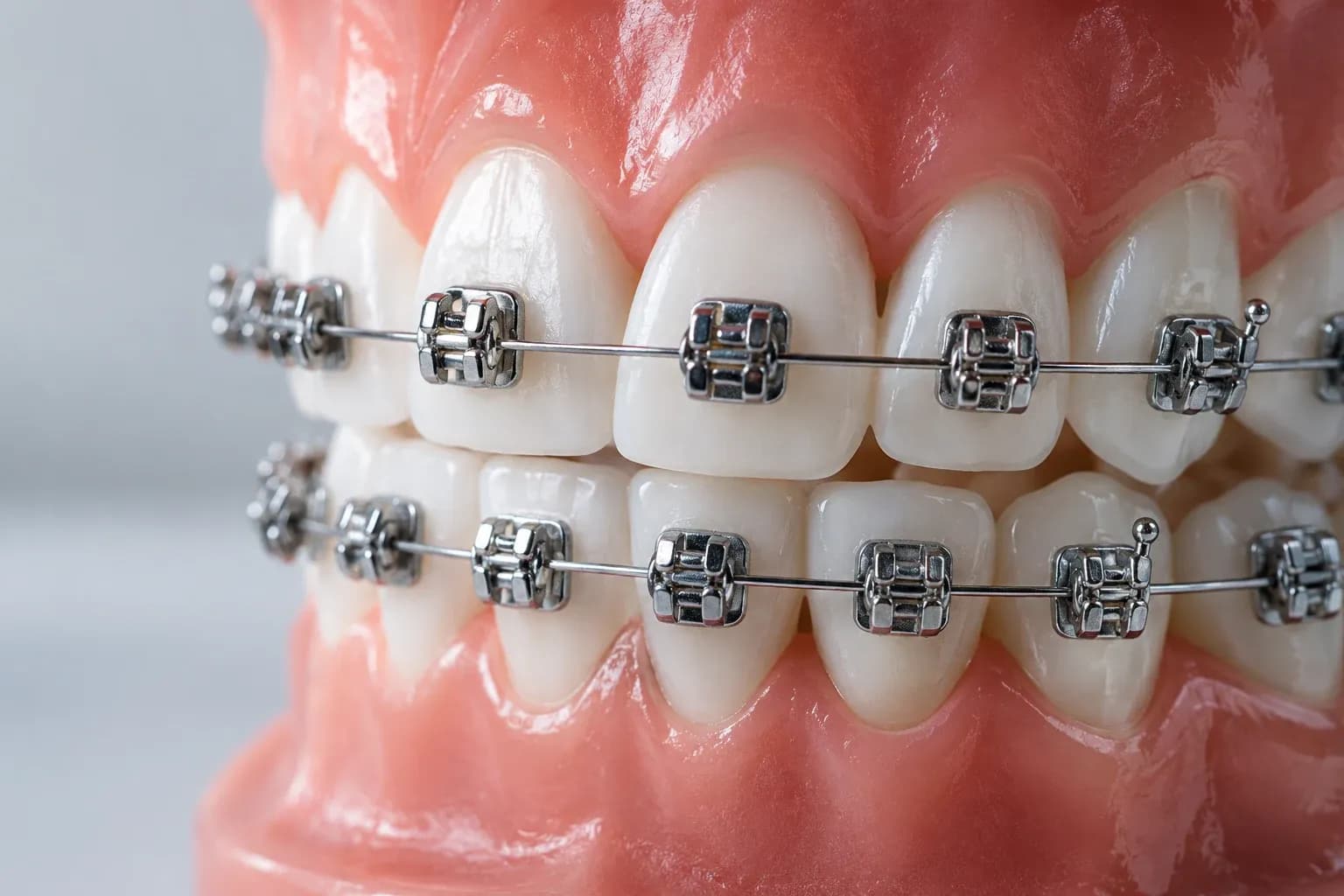
A fixed brace can significantly improve your dental alignment and bite. In this information, you will read about the different components of the treatment, from brackets and wire to aftercare and costs.
A fixed brace is a commonly used orthodontic treatment that focuses on correcting dental alignment and bite. With the help of brackets and a wire, your teeth are gradually moved into the correct position. This process requires a well-thought-out treatment plan and attention to aftercare. In this text, we discuss the various aspects of treatment with a fixed brace.
The fixed brace consists of brackets that are attached to the teeth and a wire that runs through these brackets. Brackets are usually made of metal but can also be made of ceramic or plastic. The choice of bracket type depends on your personal preference and the specific situation of your dentition.
The wire that runs through the brackets is regularly adjusted to move the teeth into the desired position. This process can take some time, depending on the complexity of the treatment. It is important to return regularly for check-ups so that the orthodontist can monitor progress and adjust the wire.
Before the treatment starts, a treatment plan is drawn up. This plan is based on a thorough analysis of your dentition, including X-rays and impressions. The treatment plan provides insight into the expected duration of the treatment and the steps to be taken. This ensures that you are well-prepared to start the treatment.
The treatment plan can vary from person to person, depending on the specific orthodontic issues. Some people may only need braces for a few months, while others may be in treatment for a longer period. It is important to be open to the advice of your orthodontist so that the treatment proceeds as efficiently as possible.
Good oral hygiene is essential during treatment with a fixed brace. Food particles can easily accumulate around the brackets, which can lead to tooth decay or inflammation. It is important to keep your teeth and the brace clean. This can be done by brushing regularly and using special tools such as interdental brushes.
Additionally, it is wise to avoid certain foods that can damage the brace, such as hard or sticky snacks. Consult with your orthodontist about which foods are best to avoid and how to maintain optimal oral hygiene during treatment.
During treatment, it may happen that there are loose parts of the brace, such as brackets or wire. It is important to report these as soon as possible. Loose parts can not only affect the progress of the treatment but can also cause discomfort. Contact your orthodontist to discuss the issue.
In the meantime, try to be careful with your mouth and avoid hard or sharp foods. This helps to prevent further damage to the brace until you can see the orthodontist again.
After the removal of the fixed brace, retention is an important part of the treatment process. Retainers are often prescribed to prevent the teeth from returning to their original position. This can be in the form of a clear plate or a wire placed behind the front teeth.
It is crucial to follow your orthodontist's instructions regarding wearing the retainer. This ensures that the results of the treatment are lasting. Regular check-ups are also important to monitor the position of the teeth.
Before the treatment begins, a thorough analysis of your teeth will be conducted. This helps in creating an effective treatment plan.
The braces will be placed, and you will return regularly for check-ups. The wire will be adjusted to gradually move the teeth.
After the braces are removed, it is important to wear a retainer to maintain the results. Regular check-ups remain important.
Ensure good oral hygiene to prevent complications. Brush and use special tools to keep the braces clean.
Report any issues, such as loose parts, directly to your orthodontist to avoid disrupting the progress of the treatment.
The duration of treatment with a fixed brace varies from person to person. On average, it takes between 1 and 3 years, depending on the complexity of your teeth and the chosen treatment method.
Most people experience some pressure or discomfort after the brace is placed or after adjustments. This is normal and usually subsides within a few days.
During treatment with a fixed brace, it is wise to avoid certain foods, such as hard or sticky snacks. Consult your orthodontist for specific recommendations.
If a bracket comes loose, contact your orthodontist as soon as possible. Avoid hard or sharp foods until the issue is resolved.
Retention is crucial to ensure that your teeth remain in the new position after the brace is removed. It helps to maintain the achieved result.
Are you not yet a patient with us? Read how to register and how the first appointment goes. In your application, you can already explain your questions and wishes.
Information for new patientsAre you apprehensive about an appointment? Tell us what you are worried about. Read more about our guidance and discuss what explanation or support you would find helpful.
Dealing with fear of the dentistAsk what treatment is being proposed and what costs are associated with it. Do you have questions about payment? Check the information about payment options or contact us.
Payment and payment optionsRequest an appointment, and we will see together what is needed.

During your first consultation and screening, we will discuss your wishes, assess your bite, and examine your teeth. We will provide you with options and a budget for the follow-up treatment.
View options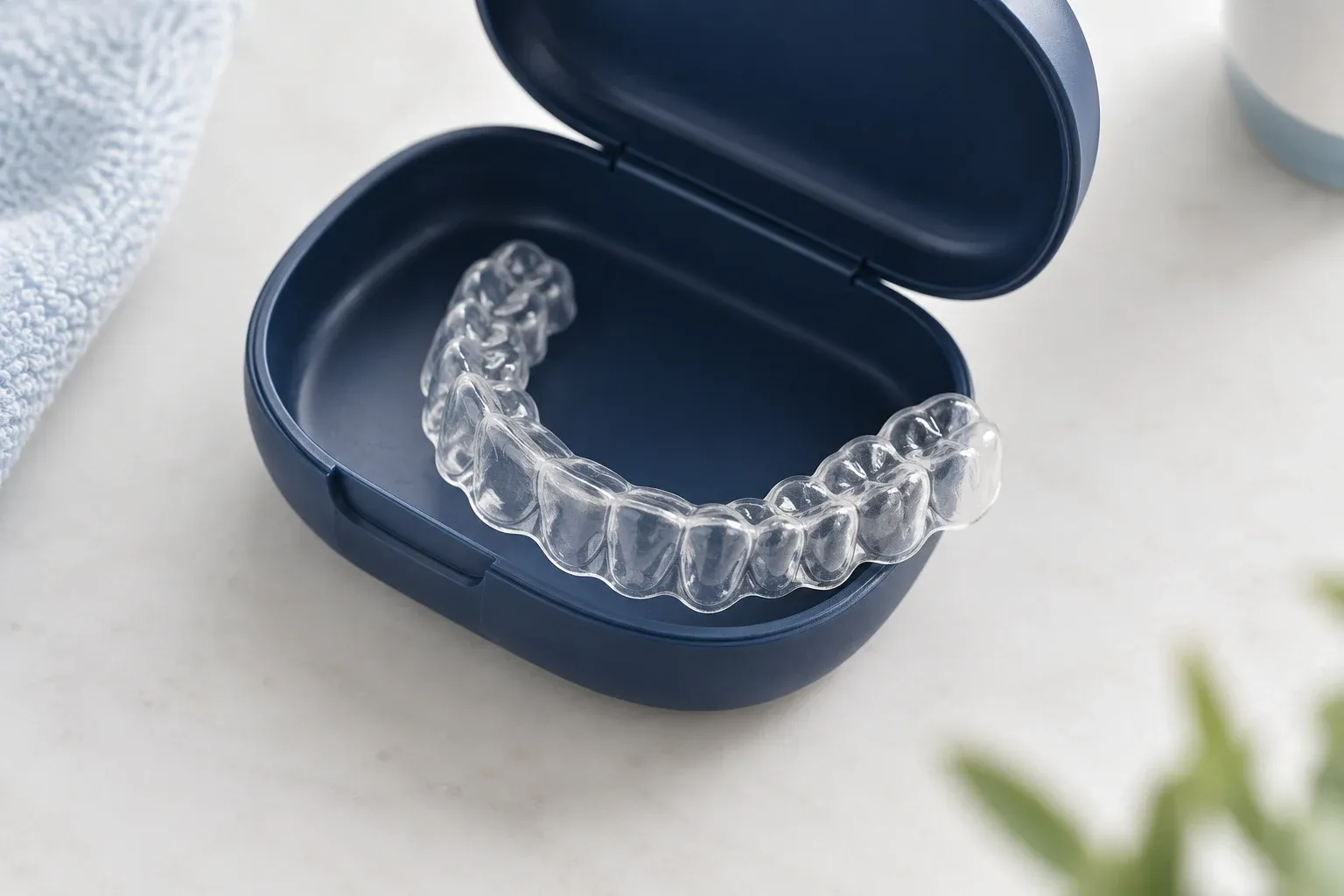
After your orthodontic treatment, it is essential to maintain the achieved result. This can be done with a fixed or removable retainer. Discover more about the options, instructions, and aftercare.
View options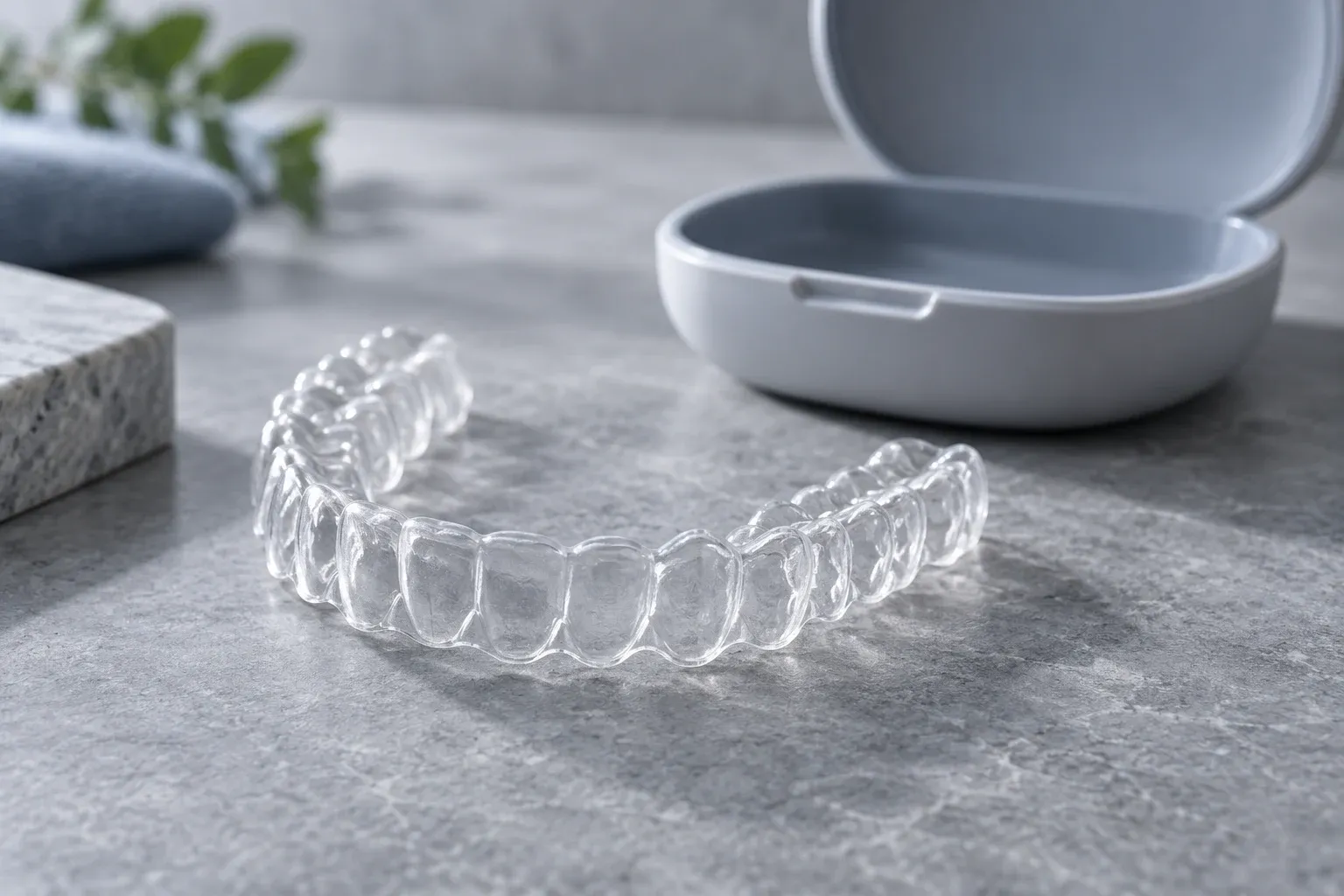
A braces treatment for adults can help improve the alignment of your teeth and the functioning of your bite. Read more about the health of your gums, daily impact, options, and aftercare.
View options