
Your first visit
Are you not yet a patient with us? Read how to register and how the first appointment goes. In your application, you can already explain your questions and wishes.
Information for new patientsA brace can enhance your smile, regardless of your age. Discover the possibilities and what you can expect.
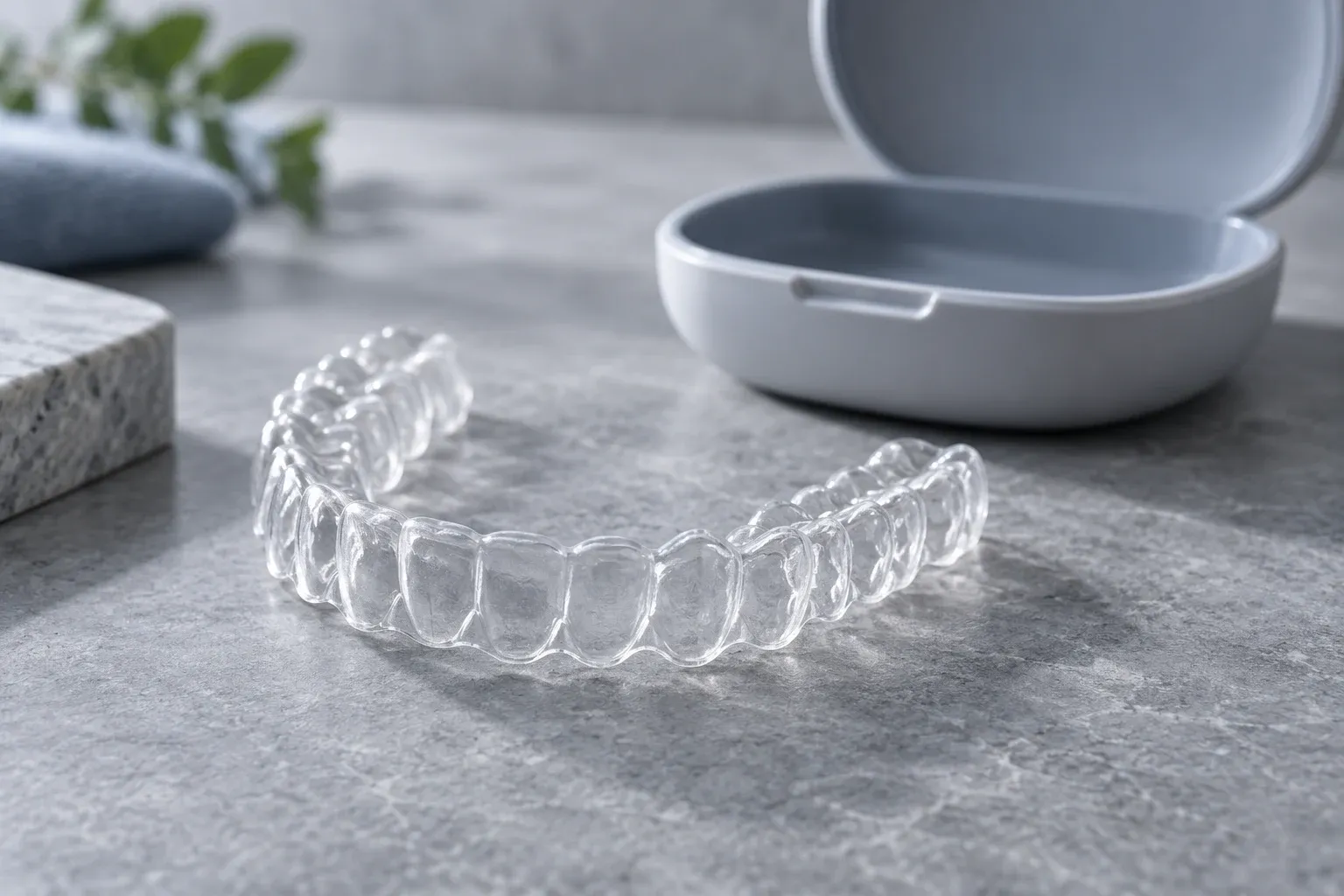
A braces treatment for adults can help improve the alignment of your teeth and the functioning of your bite. Read more about the health of your gums, daily impact, options, and aftercare.
A braces treatment for adults is an effective way to improve the alignment of your teeth and jaw. The process begins with an assessment of your gum health and the specific desires you have for your teeth. This can range from aesthetic considerations to functional improvements. It is important to understand that each treatment is unique and depends on your personal situation.
Before starting a braces treatment, it is essential to assess the health of your gums. Healthy gums play a crucial role in the success of the treatment. Inflammations or other issues can affect the effectiveness of the braces and cause complications. A dentist can help you determine the health of your gums and advise on any necessary treatments.
Good oral hygiene is very important during the treatment. Regular brushing and flossing help prevent gum problems. It is also advisable to schedule regular check-ups with the dentist to monitor progress and address any issues promptly.
The impact of braces on your daily life can be significant. It may take some time to get used to wearing braces, and you may experience changes in your speech or eating habits. It is important to consider this when planning your treatment and to communicate your wishes clearly with your provider.
Additionally, there are various types of braces available, such as traditional metal braces, ceramic braces, or even invisible braces. Your choice may depend on aesthetic preferences, comfort, and budget. It is good to know that not all options are suitable for everyone, and the treatment is customized.
When choosing braces, it is important to understand that not all options are equivalent. The effectiveness and duration of the treatment can vary depending on the type of braces you choose. Your dentist will advise you based on your specific dental situation and treatment wishes.
Some braces may yield results faster than others, but that does not always mean they are the best choice. It is important to consider both the advantages and disadvantages of each option and align them with your personal situation.
After the braces are removed, retention is crucial to maintain the results achieved. This means you will need to wear a retention device, such as a retainer, to prevent your teeth from returning to their original position. It is important to follow your provider's instructions regarding wearing the retainer.
The duration of wearing a retainer can vary. Some people need to wear it for a few months, while others may require a longer period. Regular check-ups are also important to see if the retention is effective and to make adjustments if necessary.
The costs of a braces treatment can vary significantly, depending on the type of braces and the duration of the treatment. It is wise to gather information in advance about the costs and what reimbursements your health insurance offers. This helps you to set a realistic budget.
Some insurances cover part of the costs for orthodontic treatments, but this can vary by policy. Contact your insurer for specific information about your coverage and any co-payments.
Schedule an appointment for a comprehensive assessment of your teeth and gum health. Discuss your wishes and expectations with your provider.
After the assessment, your dentist will create a personalized treatment plan, discussing the best brace option for your situation.
During the placement of the brace, your dentist will guide you and explain what to expect during the process.
After the treatment, aftercare is important. Follow the instructions for wearing a retainer to maintain the results.
Regular check-ups are essential to monitor progress and make any necessary adjustments to the treatment.
The duration of orthodontic treatment varies depending on your specific situation. On average, it lasts from several months to several years, depending on the complexity of the correction.
Wearing braces may cause some discomfort initially, especially after placement or adjustments. This is normal and usually subsides quickly.
Yes, you can generally continue with your daily activities. It may take some getting used to, especially when eating and speaking, but most people adapt quickly.
Good oral hygiene is crucial. Brush at least twice a day and use dental floss to remove food particles between the braces and teeth. Regular check-ups are also important.
If you do not wear your retainer, your teeth may return to their original position. It is important to follow your dentist's instructions for the best results.
Are you not yet a patient with us? Read how to register and how the first appointment goes. In your application, you can already explain your questions and wishes.
Information for new patientsAre you apprehensive about an appointment? Tell us what you are worried about. Read more about our guidance and discuss what explanation or support you would find helpful.
Dealing with fear of the dentistAsk what treatment is being proposed and what costs are associated with it. Do you have questions about payment? Check the information about payment options or contact us.
Payment and payment optionsRequest an appointment, and we will see together what is needed.

During your first consultation and screening, we will discuss your wishes, assess your bite, and examine your teeth. We will provide you with options and a budget for the follow-up treatment.
View options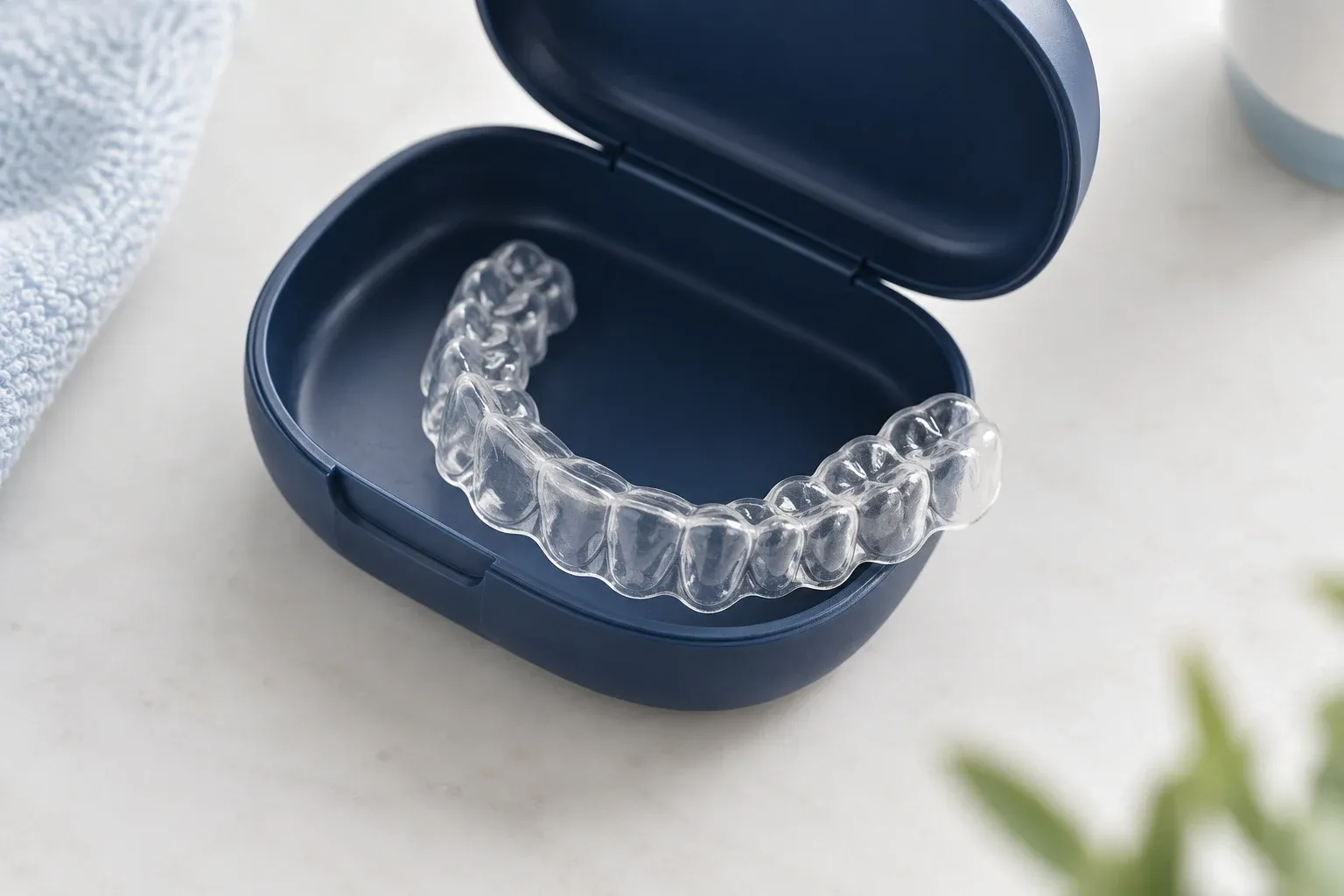
After your orthodontic treatment, it is essential to maintain the achieved result. This can be done with a fixed or removable retainer. Discover more about the options, instructions, and aftercare.
View options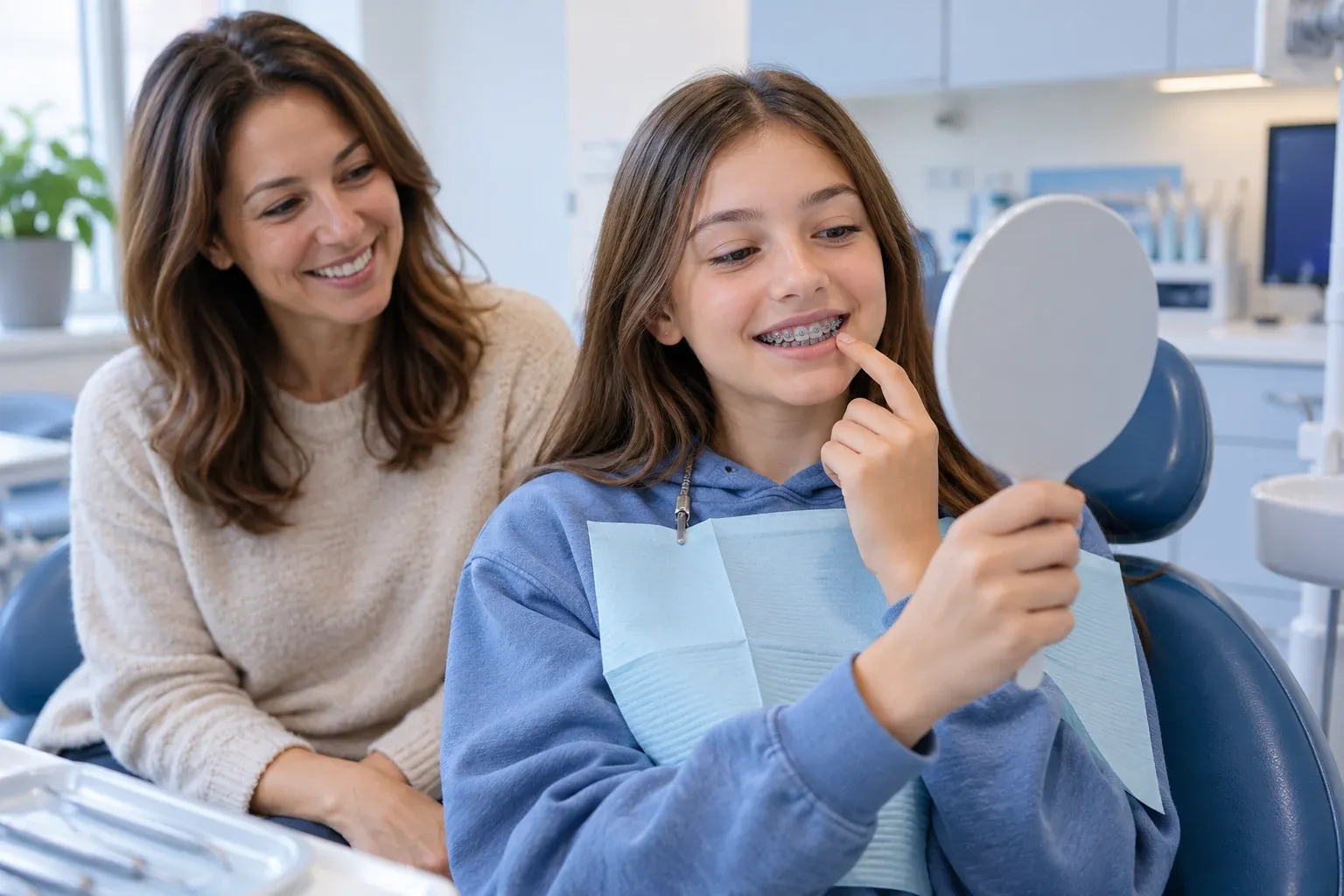
Information about brace treatments for children, including dental development, involvement of parents and children, and aftercare.
View options