
Your first visit
Are you not yet a patient with us? Read how to register and how the first appointment goes. In your application, you can already explain your questions and wishes.
Information for new patientsEnsure a lasting result after your orthodontic treatment.
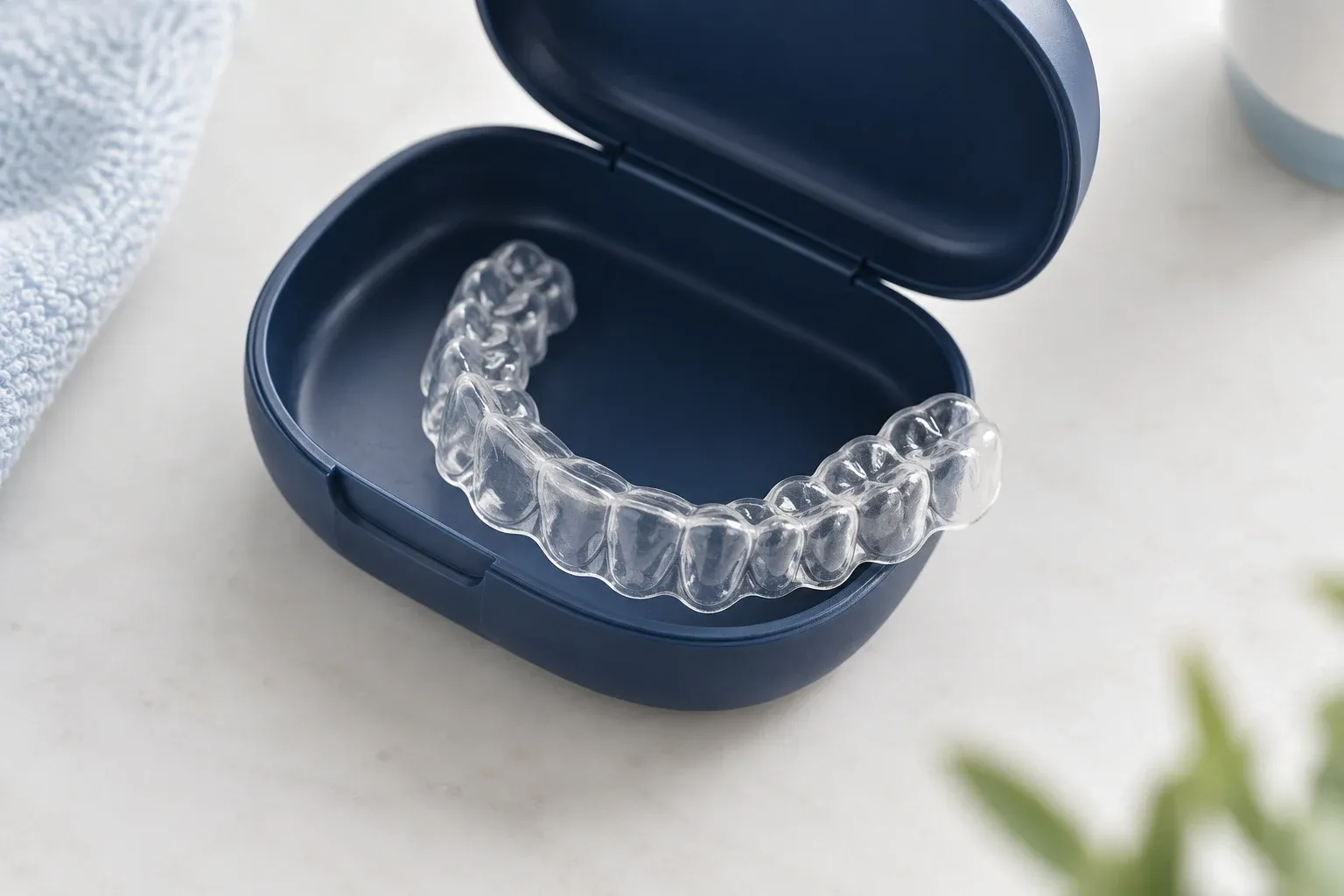
After your orthodontic treatment, it is essential to maintain the achieved result. This can be done with a fixed or removable retainer. Discover more about the options, instructions, and aftercare.
After an orthodontic treatment, retaining the result is crucial. This prevents your teeth from returning to their original position. Retention is an important part of the treatment process and ensures that your new smile is maintained. On this page, we discuss the different options, tailored instructions, and how to deal with a loose retainer.
Retaining the results after orthodontic treatment is essential. Teeth can shift after treatment, so using a retainer helps keep your teeth in the desired position. This can be a fixed or removable retainer, depending on your personal situation and preference.
It is important to follow your provider's instructions for the best results. Regular check-ups are also advisable to ensure everything remains in place. Your provider can advise you on the duration and frequency of retainer use.
There are two main types of retainers: fixed and removable. A fixed retainer is a thin wire that is attached behind the teeth and remains permanently in place. This type of retainer is often effective for long-term stability, especially for the front teeth.
A removable retainer can be easily taken out and is convenient for keeping the teeth clean. However, this type of retainer may be less effective if not worn consistently. The choice between the two depends on your specific needs and the recommendations of your provider.
Instructions for the use of your retainer may vary depending on the type you have. For a removable retainer, it is important to wear it regularly as prescribed. This may involve wearing the retainer for 22 hours a day in the initial phase, and later less frequently.
For a fixed retainer, it is essential to maintain good oral hygiene. This means brushing and flossing regularly to prevent plaque and tartar buildup. Your practitioner can provide specific tips on how to best care for your retainer.
A loose retainer can be problematic and should be discussed with your practitioner as soon as possible. It may need to be reattached or other adjustments may be necessary. Do not attempt to fix the retainer yourself, as this can lead to further complications.
If you notice that your retainer is loose, it is important to report this during your next check-up. Your practitioner can then take the necessary steps to ensure that your teeth remain properly positioned.
Aftercare following your orthodontic treatment includes regular check-ups to ensure the effectiveness of the retention. Your practitioner can advise you on how often you should return and what you can do to keep your teeth in optimal condition.
It is also important to discuss any questions or concerns you have about your retainer or maintaining your results. Good communication with your practitioner is essential for long-term success.
Make sure to wear your retainer according to your provider's instructions for the best results.
Brush and floss regularly to prevent plaque and tartar, especially with a fixed retainer.
Regularly check if your retainer fits well and contact your provider if there are any issues.
Make appointments for regular check-ups to ensure the effectiveness of the retention.
Discuss any questions or concerns you have about your retainer or aftercare.
The duration of wearing your retainer can vary. In the initial phase, it is often recommended to wear it for 22 hours a day. Over time, this may be reduced, depending on your provider's instructions.
If your retainer is loose, contact your provider. Do not try to adjust the retainer yourself, as this may lead to further issues. Your provider can assess the situation and make the necessary adjustments.
A fixed retainer provides long-term stability for your teeth, especially for the front teeth. It is a good option for people who tend to have their teeth shift after orthodontic treatment.
Yes, you can clean your removable retainer yourself. It is important to do this regularly with a soft brush and mild soap. Avoid aggressive cleaning agents that may damage the retainer.
The frequency of check-ups can vary, but it is generally recommended to return every 6 to 12 months. This helps your provider check if your teeth are staying in place.
Are you not yet a patient with us? Read how to register and how the first appointment goes. In your application, you can already explain your questions and wishes.
Information for new patientsAre you apprehensive about an appointment? Tell us what you are worried about. Read more about our guidance and discuss what explanation or support you would find helpful.
Dealing with fear of the dentistAsk what treatment is being proposed and what costs are associated with it. Do you have questions about payment? Check the information about payment options or contact us.
Payment and payment optionsRequest an appointment, and we will see together what is needed.

During your first consultation and screening, we will discuss your wishes, assess your bite, and examine your teeth. We will provide you with options and a budget for the follow-up treatment.
View options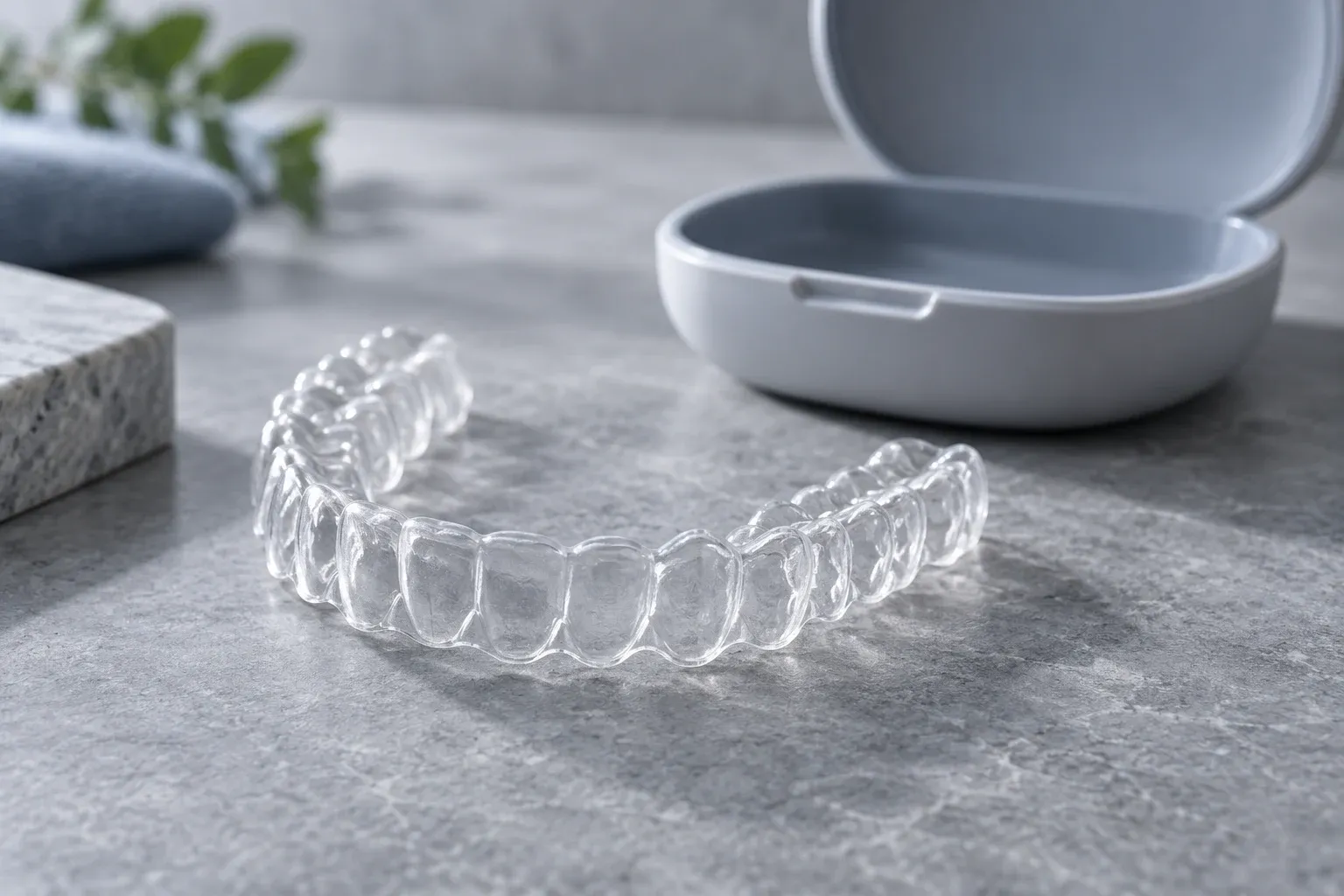
A braces treatment for adults can help improve the alignment of your teeth and the functioning of your bite. Read more about the health of your gums, daily impact, options, and aftercare.
View options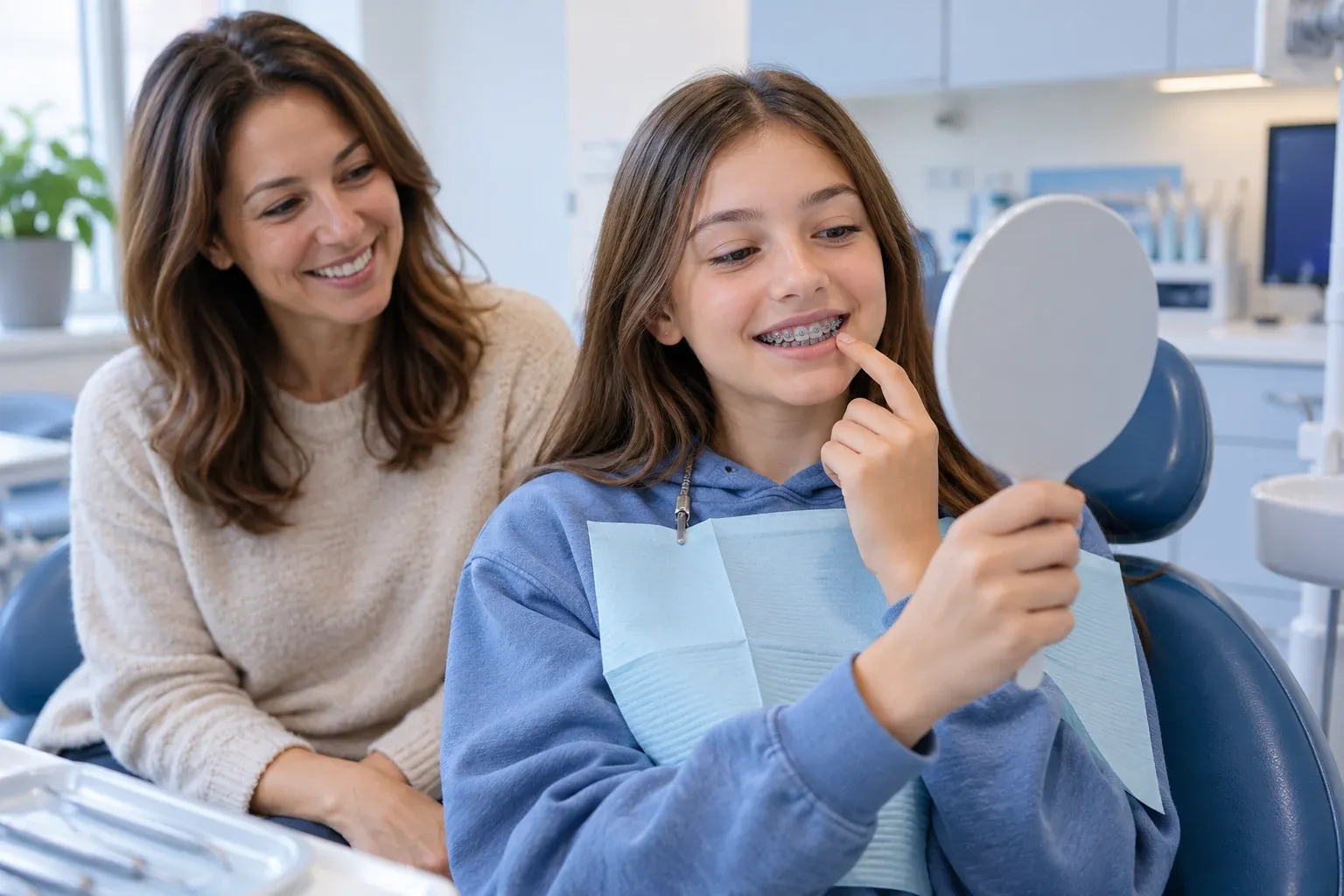
Information about brace treatments for children, including dental development, involvement of parents and children, and aftercare.
View options