
Your first visit
Are you not yet a patient with us? Read how to register and how the first appointment goes. In your application, you can already explain your questions and wishes.
Information for new patientsA removable brace can help improve your dental alignment and bite. Read here more about the possibilities, use, and aftercare.
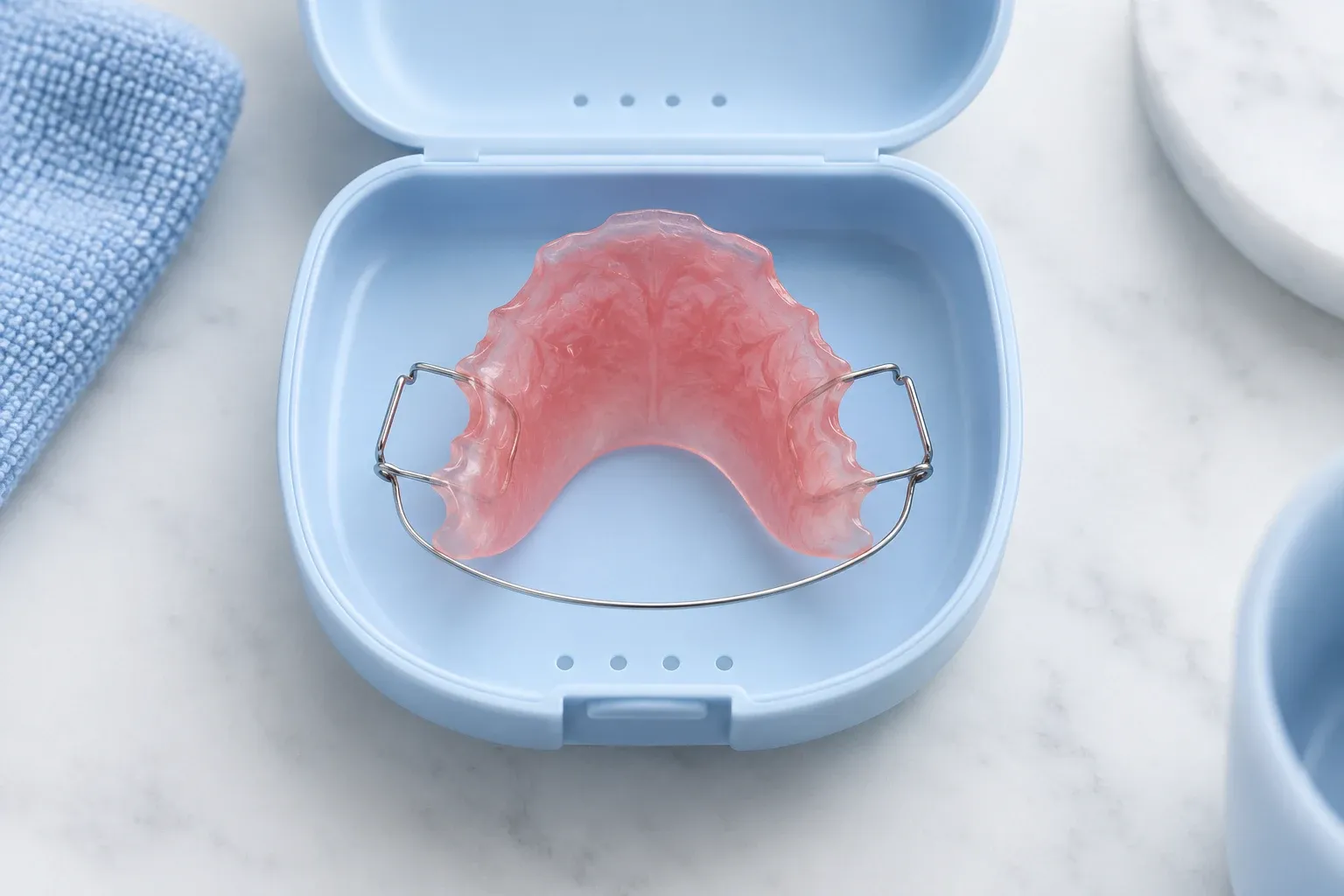
Information about removable braces, including goals, use, and aftercare. Discover how these braces can improve your dentition.
A removable brace is a commonly used orthodontic solution that can help correct dental alignment and improve the bite. These braces are designed to be worn at specific times and are often suitable for children, teenagers, and sometimes adults. In this information page, we discuss the various goals, wearing instructions, and aftercare of removable braces.
Removable braces are often used to address various orthodontic issues. They can help straighten crooked teeth, close gaps between teeth, and improve the overall bite. Additionally, they can also be used to guide the growth of the jaws in young patients.
The choice of a removable brace depends on the specific orthodontic indication. It is important to know that not everyone is suitable for these braces. Your treating orthodontist will conduct a thorough evaluation and create a treatment plan that best fits your situation.
For wearing the removable brace, follow the personal instructions of your practitioner. The schedule depends on the device and the treatment plan. Ask when the brace should be removed for eating, sleeping, and brushing. Wearing it more is not automatically better: do not change the schedule on your own initiative. If wearing it is difficult or painful, discuss what you are experiencing so that your practitioner can provide appropriate advice.
It is also important not to forget the brace during daily activities. Try to develop a routine in which wearing the brace becomes a natural part of your day. This will help ensure the progress of the treatment.
Cleaning your removable brace is crucial for good oral health. Rinse the brace daily with lukewarm water and use a soft toothbrush without toothpaste to gently clean it. This helps to remove bacteria and food residues.
Additionally, it is advisable to regularly clean your brace with a special cleaning solution that is suitable for orthodontic appliances. This prevents discoloration and keeps the brace fresh. Don't forget to also brush your teeth well to prevent tooth decay and other oral problems.
Regular check-ups with your orthodontist are essential to monitor the progress of the treatment. During these appointments, the orthodontist can adjust the brace and answer any questions. You will also receive feedback on your progress and any adjustments that may be necessary.
After the treatment period, you may need to wear a retainer to maintain the new position of your teeth. This is an important part of aftercare, as it helps to prevent your teeth from returning to their original position.
The costs for a removable brace can vary depending on the complexity of the treatment and its duration. It is advisable to obtain a clear overview of the costs before the treatment begins. Your orthodontist can inform you about this and discuss any payment options.
Additionally, it is important to check whether your health insurance covers part of the costs. This can vary by insurer, so it is wise to verify this in advance.
Before starting the treatment, your orthodontist will conduct a thorough examination and create a treatment plan that fits your specific situation.
Wear your braces according to your provider's personal schedule. Ask for clear instructions on wearing, removing, and daily care.
Follow the cleaning instructions for your device. Ask which products are suitable for the material and do not use any other product without consultation.
Regularly visit your orthodontist for check-ups and adjustments to the braces. This is essential for the progress of the treatment.
After the treatment, a retainer may be needed to maintain the new tooth position. Follow the aftercare instructions from your orthodontist.
Follow the personal wearing schedule set by your practitioner. Ask explicitly when the brace should be removed for eating, sleeping, and brushing. There is no general schedule that applies to every type of removable brace.
Yes, you can clean your brace yourself. Rinse it daily with lukewarm water and use a soft toothbrush to remove food particles and bacteria.
If your brace is damaged, contact your orthodontist for an assessment. It is important to have this checked as soon as possible.
Your practitioner will discuss with you when check-ups are necessary, depending on the device and treatment plan. Also, ask when you should contact them with any complaints. Do not change the brace yourself.
The costs for a removable brace vary depending on the complexity of the treatment. Ask your orthodontist for a clear overview of the costs and any reimbursements.
Are you not yet a patient with us? Read how to register and how the first appointment goes. In your application, you can already explain your questions and wishes.
Information for new patientsAre you apprehensive about an appointment? Tell us what you are worried about. Read more about our guidance and discuss what explanation or support you would find helpful.
Dealing with fear of the dentistAsk what treatment is being proposed and what costs are associated with it. Do you have questions about payment? Check the information about payment options or contact us.
Payment and payment optionsRequest an appointment, and we will see together what is needed.
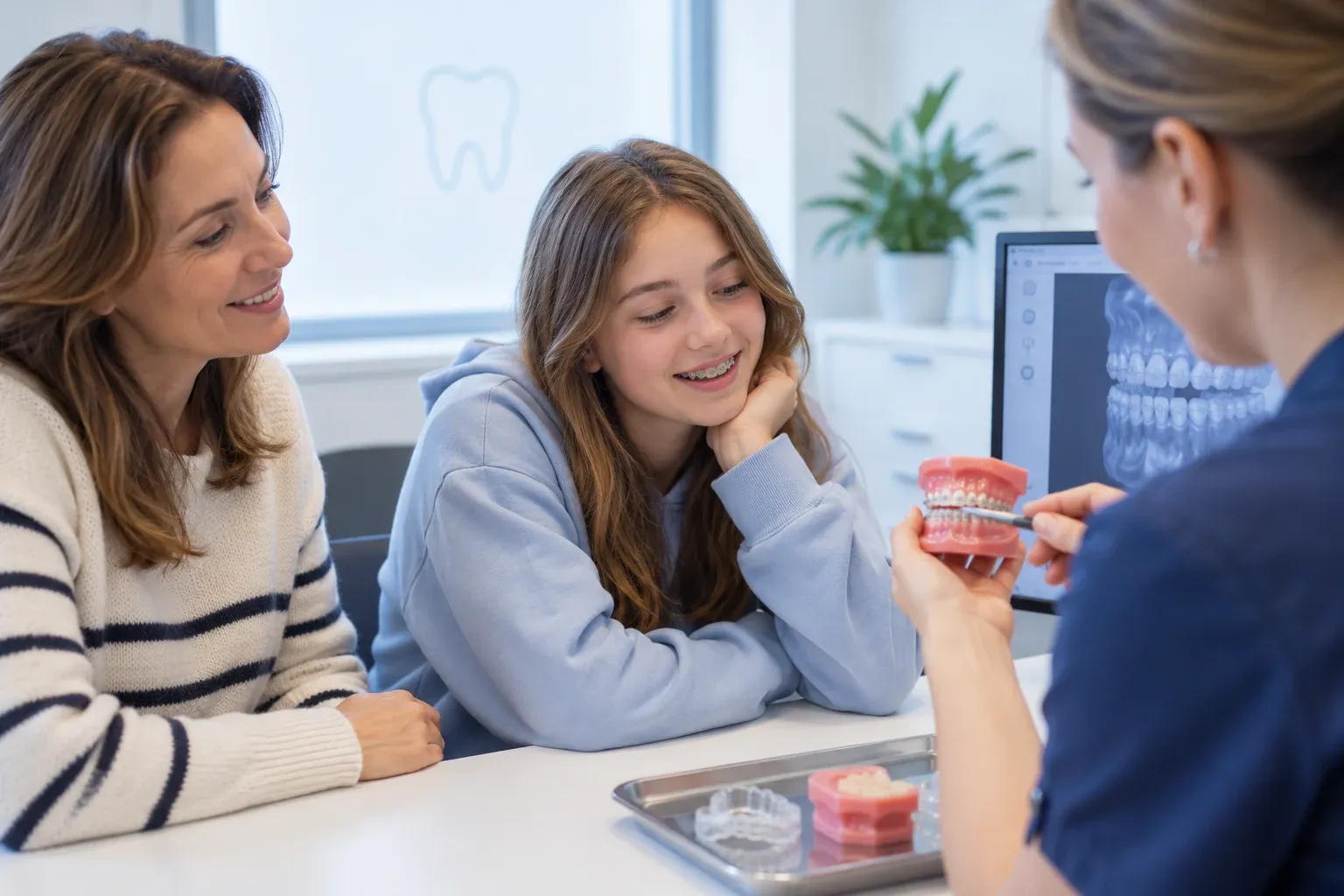
During your first consultation and screening, we will discuss your wishes, assess your bite, and examine your teeth. We will provide you with options and a budget for the follow-up treatment.
View options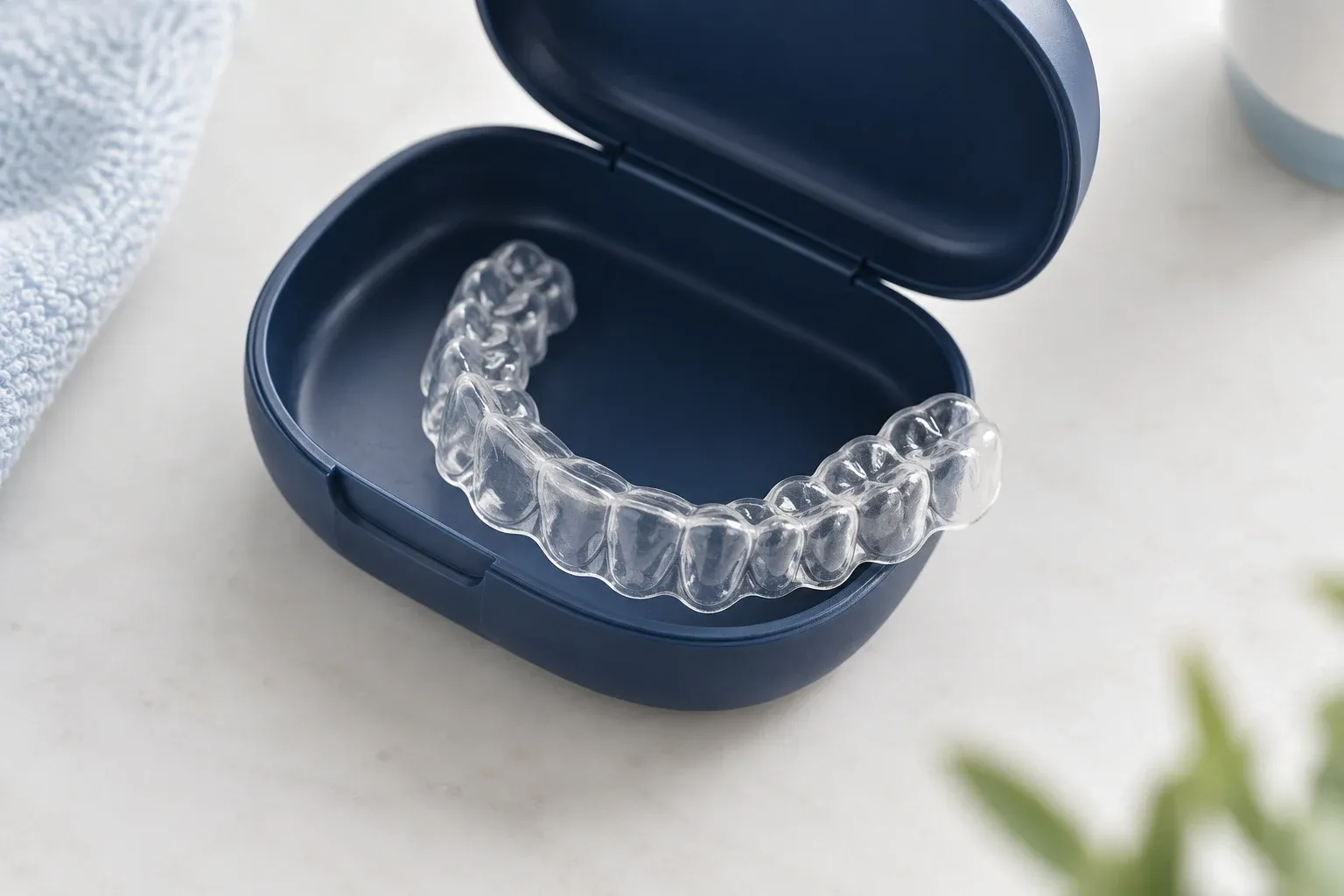
After your orthodontic treatment, it is essential to maintain the achieved result. This can be done with a fixed or removable retainer. Discover more about the options, instructions, and aftercare.
View options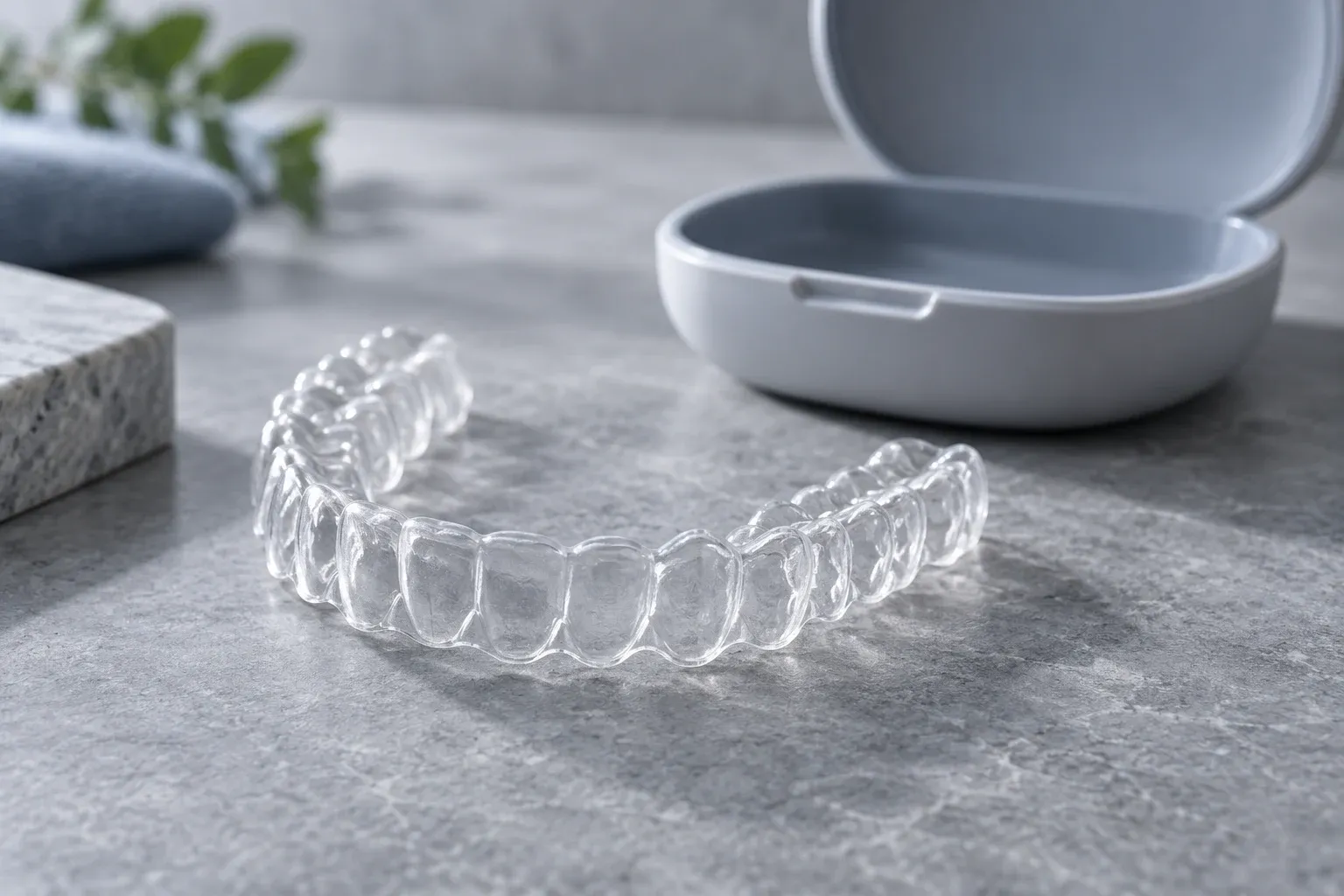
A braces treatment for adults can help improve the alignment of your teeth and the functioning of your bite. Read more about the health of your gums, daily impact, options, and aftercare.
View options